Chapter 33
This chapter describes a broad view of the battle. Again, Tolstoy makes the point that Napoleon could not see a fucking thing and the news he was being brought became out of date as the rider travelled to him. The men on the battlefield do whatever they need to do in the heat of battle and in preservation of their lives, until they reach safety whereupon their superiors gather them back up and lead them back in.
Chapter 34
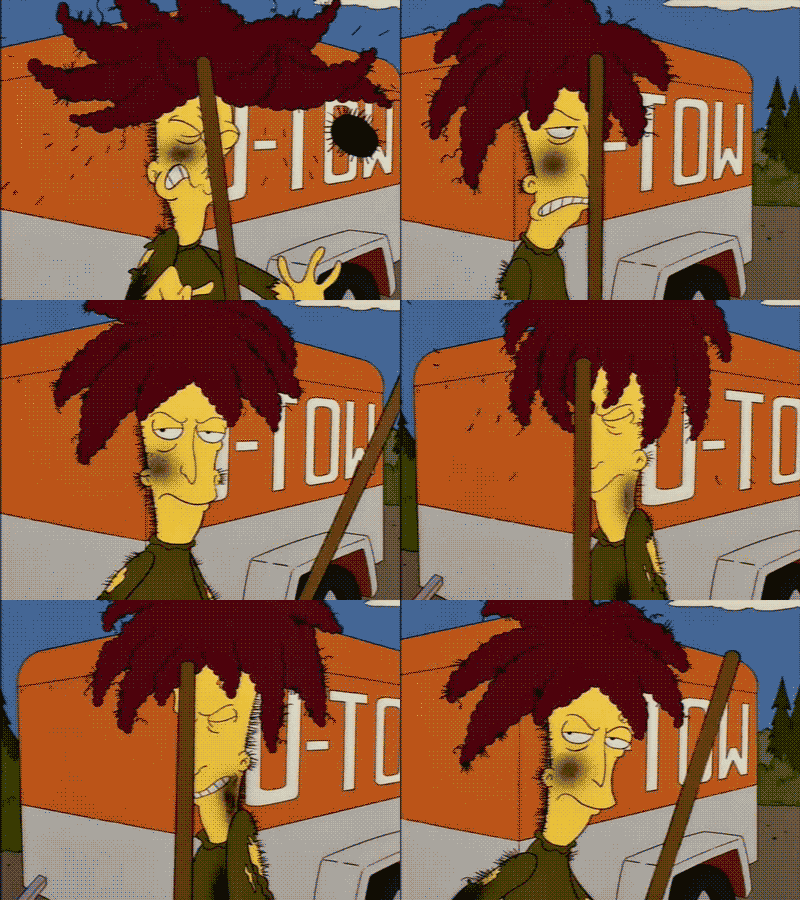
Napoleon's Generals - Davout, Ney, and Murat - are finding that this battle is not going at all according to the way they normally do. The Russians are not retreating. Murat sends an adjutant to ask Napoleon for reinforcements, which Napoleon finds shocking, and, I am forced to assume, makes a stupid face.

Napoleon denies the reinforcements and distracts himself with something else. Another request for reinforcements arrives, swearing up and down that the Russians will be defeated with just one more division. Napoleon says he's made a mistake and sends him away. Another messenger turns up immediately, requesting reinforcements again. Napoleon finally gives in, but dithers over which one to send, "playing the part of a doctor who hinders by his medicines". Requests for reinforcements keep arriving and Napoleon begins to worry. M. de Beausset turns up to suggest lunch and asking if he can congratulate Napoleon on a victory, because he's not been paying attention, Napoleon nods distractly, which De Beausset takes as a yes on the victory. Napoleon is realising he is losing and is feeling quite depressed about it. He can't figure out why, considering he has won victories with this army and these techniques against this enemy before. He just gave a few orders and then someone turned up to congratulate him. He notices that all the men who understand war are feeling the same way he is and avoiding one another's eyes. Berthier - one of those men - suggests that Napoleon should ride along the line and ascertain exactly what is happening. They go and find a continuous slaughter, with no good to either side. Napoleon has never seen such slaughter. He can't do anything. Another general offers to lead the Old Guard into action, which Ney and Berthier roll their eyes at. Napoleon says he will not have his guard destroyed and leaves.
Chapter 35
Now we look in on Kutuzov, I assume so we can compare him to Napoleon. He doesn't try to give orders, but just agrees or denies the requests brought to him. He understands that one man cannot direct hundreds of thousands of others who are struggling with death, and that the result of the battle will be based on the spirit of the army more than anything. At 11am he learns that the fleches captured by the French have been retaken, but that Bagration is wounded. He asks for more information. He sends the Duke of Wurttemberg out, but gets a message from him - sent before he can possibly have reached his position - requesting more troops. Kutuzov sends Dokhturov to take over and send the Duke back. A little later he receives the information that Murat - one of the French generals - has been taken prisoner. He doesn't want to celebrate too soon but does send the news out to the troops. At 3pm, the French attacks cease. At dinner, General Wolzogen - who said, in front of Andrew, that the battle must be extended - turns up to tell them that the battle is lost, based on Barclay de Tolly seeing wounded men and assuming. Kutuzov tells him - and, by proxy, Barclay de Tolly - to fuck off. I paraphrase, he used more words. He tells Wolzogen to tell Barclay de Tolly that he fully intends to attack again in the morning. Wolzogen goes off, marvelling at how stupid Kutuzov is being. Raevski turns up and gets a much warmer reception, not least because he's been at the most important part of the battle and is reporting a victory. Wolzogen comes back and insists that Barclay de Tolly must have the orders in writing or he won't follow them. Kutuzov gives the order to have them written out, without even looking up. Kutuzov's words - of victory today and attacking again tomorrow - manage to spread from one end of the army to the other, not through his exact words being passed on but more because his words and orders encompass the spirit of the army and of every Russian soul.
Chapter 36
Andrew's regiment was one of the reserves which were held back, under artillery fire, until after 1pm. They'd already lost more than two hundred men before they were able to move forwards into battle and thousands more died before 2pm. The regiment lost another third of its men from cannon fire before being able to fire a single shot. The whole regiment is taciturn and morose, some of them becoming absorbed in simple things like playing with the grass while they wait, amidst silence and cries for stretchers. They've been inactive for eight hours, with constant fear of death and no food. They're all pale and gloomy. Andrew is pacing, thinking of nothing. He'd tried talking to the men at first, to try to buck them up a bit, but it didn't help - they're all trying to mentally escape from what's actually happening. A cannonball hits near him, and he sends out an order to tell the men not to crowd together. A shell drops within two steps of him, near to the battalion commander's horse, terrifying it, which infects the men with fear. The adjutant shouts at Andrew to get down as he himself drops to the ground. Andrew doesn't, caught by the idea that he might literally die, right now, and caught by a passionate rush of love for life. The shell goes off, heavily wounding him in the torso which is...not really compatible with life, in most circumstances on an 1812 battlefield. He's carried away on a stretcher, still conscious, but a little delirious. At least it's cured his ongoing depression - there's "something in this life [he] did not and do[es] not understand".

Chapter 37
We're still at the hospital tent with Andrew. He's seen immediately, which a non-titled soldier complains about. Andrew's having flashbacks to the piles of dead bodies he saw a few weeks ago, brought on by the naked and bleeding bodies around him now. There are three operating tables, two of them already occupied. One holds a Tartar who is being held down by four soldiers while a doctor cuts into his back. The other holds a man who seems oddly familiar to Andrew, who is also being held down, with something painful being done to his leg. A doctor orders Andrew to be undressed, bringing back memories of childhood, and then starts doing something to Andrew's abdomen which causes him to pass out. When he wakes up, the splintered portions of his thighbone have been extracted and the flesh torn away. I'm now confused about where he was injured. Someone's sprinkling water on his face. As soon as he opens his eyes, the doctor kisses him on the lips and hurries away.
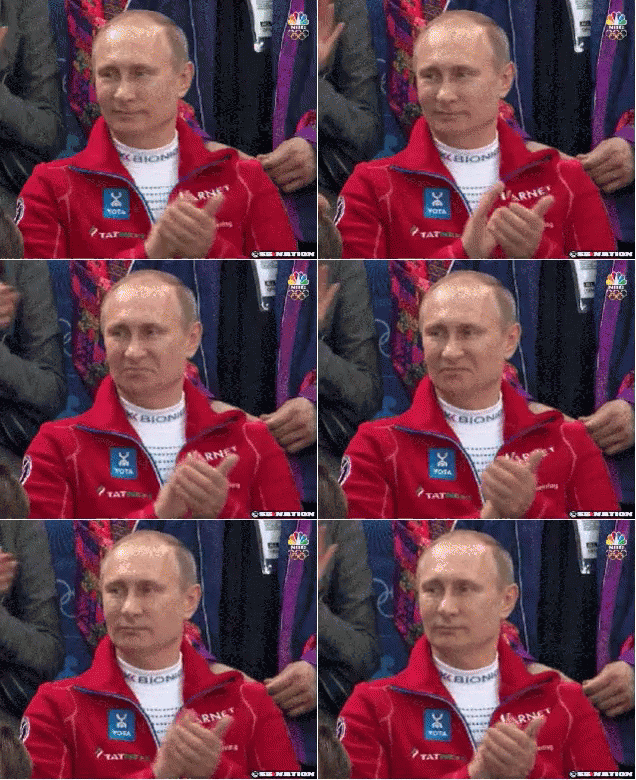
Now all the pain has stopped, Andrew is feeling quite blissful, in a way he hasn't felt since his earliest childhood. The man who seemed familiar is demanding to be shown his amputated leg and starts sobbing when he sees it, which, tbh, seems like a very reasonable reaction. It turns out it's Anatole.
(The joke there is that Anatole is a classic Rake). Andrew is still quite delirious and it takes him a minute to figure out that he knows Anatole because of Natasha. He remembers the first time he saw her during that ball in 1810 and his heart overflows with pity and love for Anatole. He starts crying as well, and thinks that he finally understands the word of god that his sister tried to teach him, of love for his brothers.
Chapter 38
We're back to Napoleon, who normally likes to look at the killed and wounded, considering it a test for his strength of mind. Today, it horrifies him and he rides away, feeling dejected and powerless. While he's sitting there, an adjutant informs him that his last order did not succeed in stopping the Russians, despite killing quite a lot of them. He gives the role to continue fire, not because he wants to - all he wants to do is run away and be free of all this - but because he has to, because he's the Emperor. Besides, it's already being done. Tolstoy doesn't seem to like Napoleon at all, which, again, does not seem like a totally unreasonable response. He states that Napoleon had to repudiate truth, goodness, and all humanity because his actions were so far from them and he forces himself to find joy in them. He finds reasons to rejoice that there are five Russians dead for every Frenchman, and that he's looking over a battlefield of fifty-thousand corpses. I'm reminded of another Discworld quote here, specifically one from Jingo.
“It is a long-cherished tradition among a certain type of military thinker that huge casualties are the main thing. If they are on the other side then this is a valuable bonus.”
Tolstoy then quotes a letter Napoleon wrote on the island of St Helena, where he later went to write an account of the great deeds he had done. Apparently, Napoleon felt that the Russian war should have been "the most popular war of modern times". Basically, as Tolstoy summaries, Napoleon "predestined by Providence for the gloomy role of executioner of the peoples, assured himself that the aim of his actions had been the peoples' welfare". Napoleon also does some quite complicated algebra. Basically, since the army he lead into Russia only included about 140,000 people who spoke French, he only actually lost around 50,000 Frenchmen, while 4x as many actual Russians died. Note that here Napoleon has discounted - as Tolstoy and Napoleon listed - Austrians, Prussians, Saxons, Poles, Bavarians, Wurttembergers, Mecklenburgers, Spaniards, Italians, Neapolitans, Dutch, Belgians, men from the borders of the Rhine, Piedmontese, Swiss, Genevese, Tuscans, Romans, men of the Thirty-second military division (the areas of the lower Elbe), of Bremen, of Hamburg, and so on.

Note that Napoleon has not discounted the non-Russian soldiers from the Russian death-toll.
Chapter 39
This chapter is a description of the battlefield. The "grass and earth were soaked with blood for a space of some three acres around". The men are beginning to feel doubtful and whether and why they should continue slaughtering one another, especially since they're all hungry and tired. Still, they carry on. Tolstoy attributes it to an ineffable act of God.
Anyone looking at the battlefield would have assumed that either the French nor the Russians could have won if they'd found it in themselves for one final push, but neither side does. The Russians don't because their goal isn't to attack the French, it's to block the way to Moscow. They've done this, even though they've lost ONE HALF of their army (capitals are Tolstoy's).
According to Tolstoy, some historians believe the French could have won if Napoleon had sent his Old Guards, which were completely intact. Tolstoy feels that this was an impossibility, that Napoleon did not send his Guards not because he didn't want to but because he couldn't - because the flagging spirits of the troops wouldn't permit. Every member of the French army felt the same terrible, sudden, impotence that Napoleon did when they suddenly began losing, when they faced an army they had half killed who still kept coming at them. Their moral force was exhausted. The French lost because they believed it was inevitable once when the Russians didn't stop. In Tolstoy's opinion, the Russians had a morale victory over the French. Tolstoy adds that the French army were able to reach Moscow, but died without further Russian effort because of the wounds received in Borodino. The fall of Napoleonic France hinges directly on the victorious morale of the Russians at Borodino (according to Tolstoy). I feel like this is the thesis statement he wrote the entire book to make.
...and that's the end of part 10! I'm 67% of the way through! I have 7 parts left to finish, split into 136 chapters. At the rate of one chapter per day, I'll be done by the 17th of January next year, so that's my upper limit. Two a day would only take to the 11th of November, three to the 18th of October, and six to the 25th of this month. The next part, 11, consists of 34 chapters and will take me to 76%, more than 3/4 of the way through the book. The chapters should, on average, be slightly shorter than in this section - each one contributes approximately 0.26% of the book, compared to 0.28% for section 10. On average, the longest chapters were back in part 3 - each one contributed an average of 0.37% to the book. All of the other sections are between 12-20 chapters long, and, tbh, it's the large number of chapters that puts me off. Like the French, it's a morale-loss. For that reason, I'm going to try to get through at least 6 chapters per day until I'm done with part 11.